- Home
- EN
- Our impact
- ProspeKtive
ProspeKtive
Designing the buildings of tomorrow around innovative uses and new interactions means using academic research. Because we believe in the strength of the collective and in the openness of ideas, we share here, with you, the research conducted by our experts.
À la une
What if the problem wasn’t space?
Whenever the inclusion of people with autism in the workplace is discussed, the same recommendations crop up time and again: reducing noise, controlling lighting, creating quiet spaces, and limiting sensory stimuli. Is this really the crux of the issue? Is it enough simply to redesign the workplace?
Delphine Minchella

Delphine Minchella
Teacher-Researcher in Management
Doctorate in Strategic Management
EM Normandie – Laboratoire Métis
Urban Planning and Mental Health
For a long time, health in urban planning was approached from the perspective of physical conditions: air quality, physical activity and cardiovascular diseases. These issues remain crucial. However, a shift is now taking place in the scientific literature: mental health is emerging as a key dimension of environmental health.
Expert - Barbara Attia

Barbara Attia
Founder of HURBA, the first urban psychology practice
Learning in the countryside: reflections on a rural training centre
The Maisons Familiales Rurales network is distinguished, as its name suggests, by its rural locations. This means that our training centres are situated at varying distances from major urban centres. In a highly competitive training sector, such locations may seem unlikely to appeal to the young (and not-so-young) people we welcome. The MFR in Maltot is situated a few kilometres from Caen, with no means of getting there other than by road. Whilst it certainly trains future professionals in agriculture or landscaping – who, by nature, are familiar with rural life – it also trains future professionals in personal care, security or sales, who might be more attracted to a more urban training programme. Yet our site attracts young people, and once they are here, they feel at home. We believe that the site itself plays a significant role in this sense of satisfaction: the Château de Maltot.
Expert - Stéphanie Ozenne
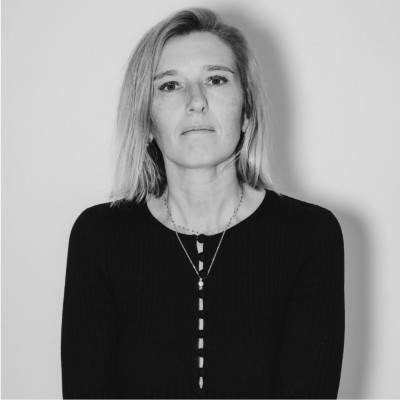
Stéphanie Ozenne
Head of the MFR of Maltot
Cognitive fatigue and workspaces: what open-plan offices don’t show
The open-plan office has become established, almost without debate, as an organisational given. It is readily associated with the flow of information, the availability of teams, and a form of modernity in the workplace — the image is appealing (ArchDaily, 2017). And yet, when we look at what happens on a day-to-day basis, a different reality emerges. More subtle, less ‘spectacular’, but very real: cognitive fatigue. It does not strike suddenly as an incident. It creeps in and takes root through the repetition of small efforts: staying focused, managing demands, dealing with the unexpected, all whilst continuing to produce high-quality work.
Edith Galy
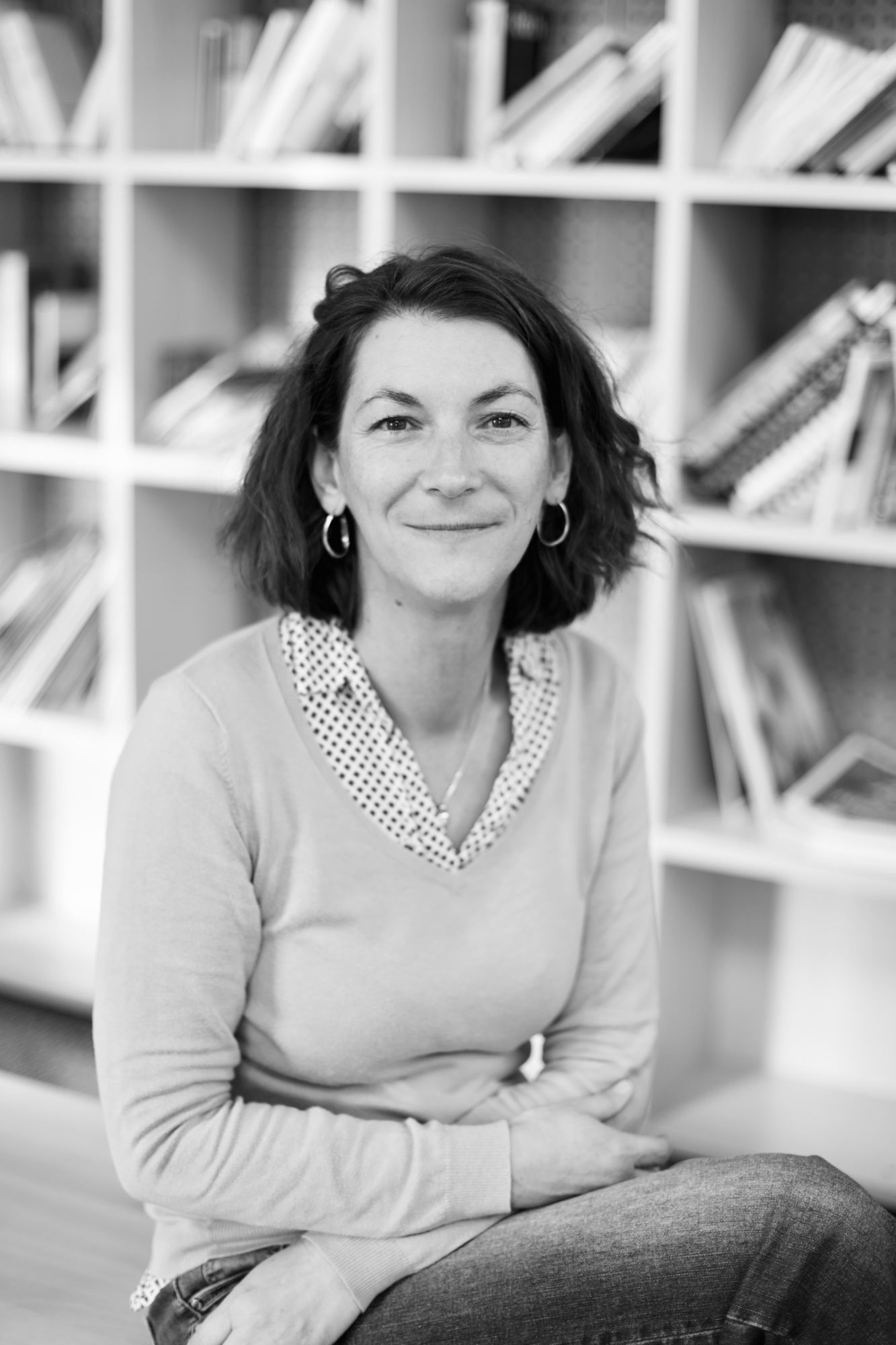
Edith Galy
Lecturer in Psychology, LAPCOS, Université Côte d’Azur
Dr Vassia Sigaut
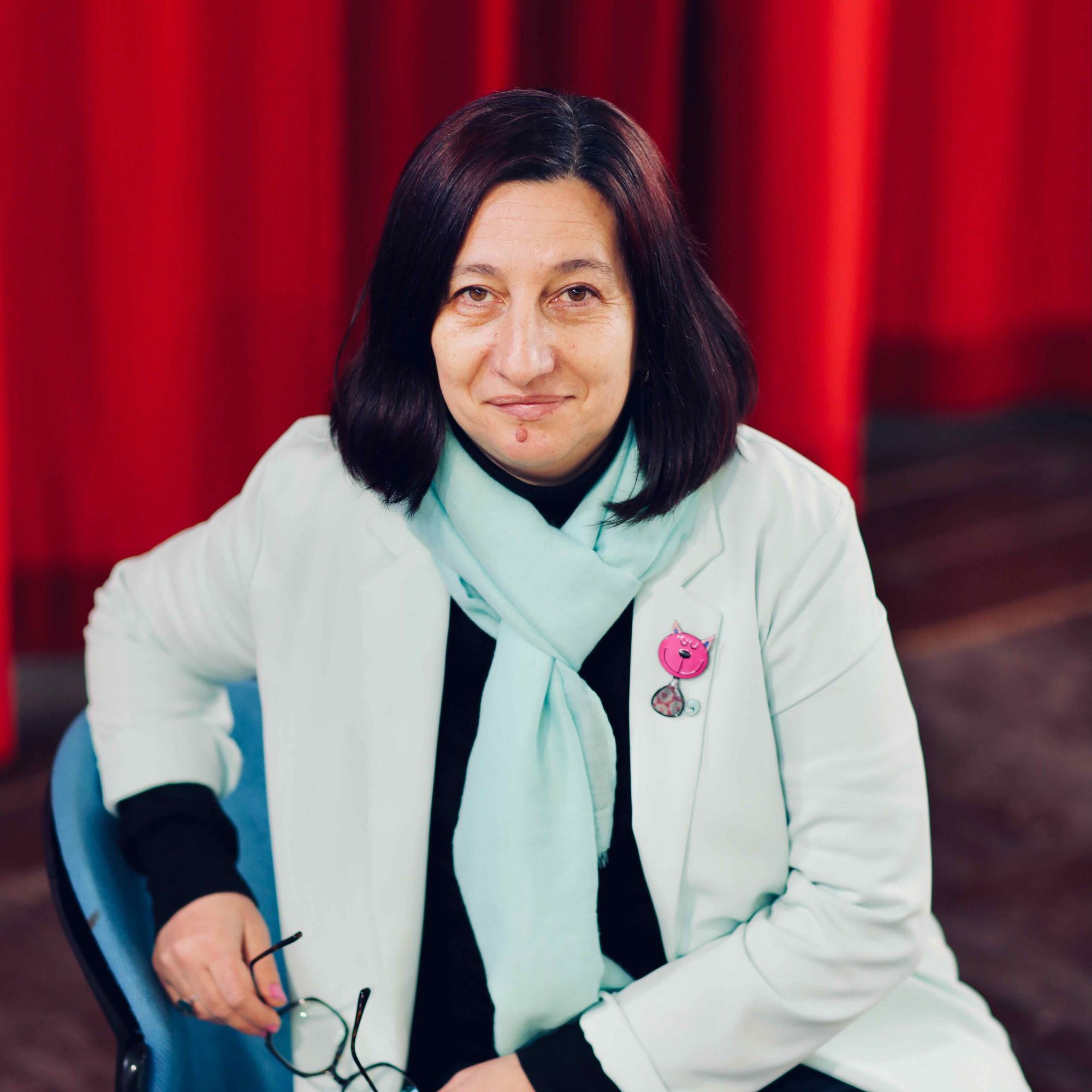
Vassia Sigaut
PhD in Psychology, specialising in cognitive ergonomics; Assistant Lecturer, IFMK, Université Côte d'Azur
Giving walls a memory to optimise traffic flow and transform the working experience
What if your building could remember? Today, our workspaces suffer from a form of economic and organisational amnesia. Every day, they start from scratch, lighting up empty floors and heating ghost offices, as if they had learnt nothing from the day before. Yet a deep understanding of user dynamics is proving essential in the face of property costs, which account for between 10 and 20 per cent of total labour costs (X. Baron, 2011). Given this, the question is twofold: why and how?
Nouhaila Goujili
Nouhaila Goujili
R&D PhD Student